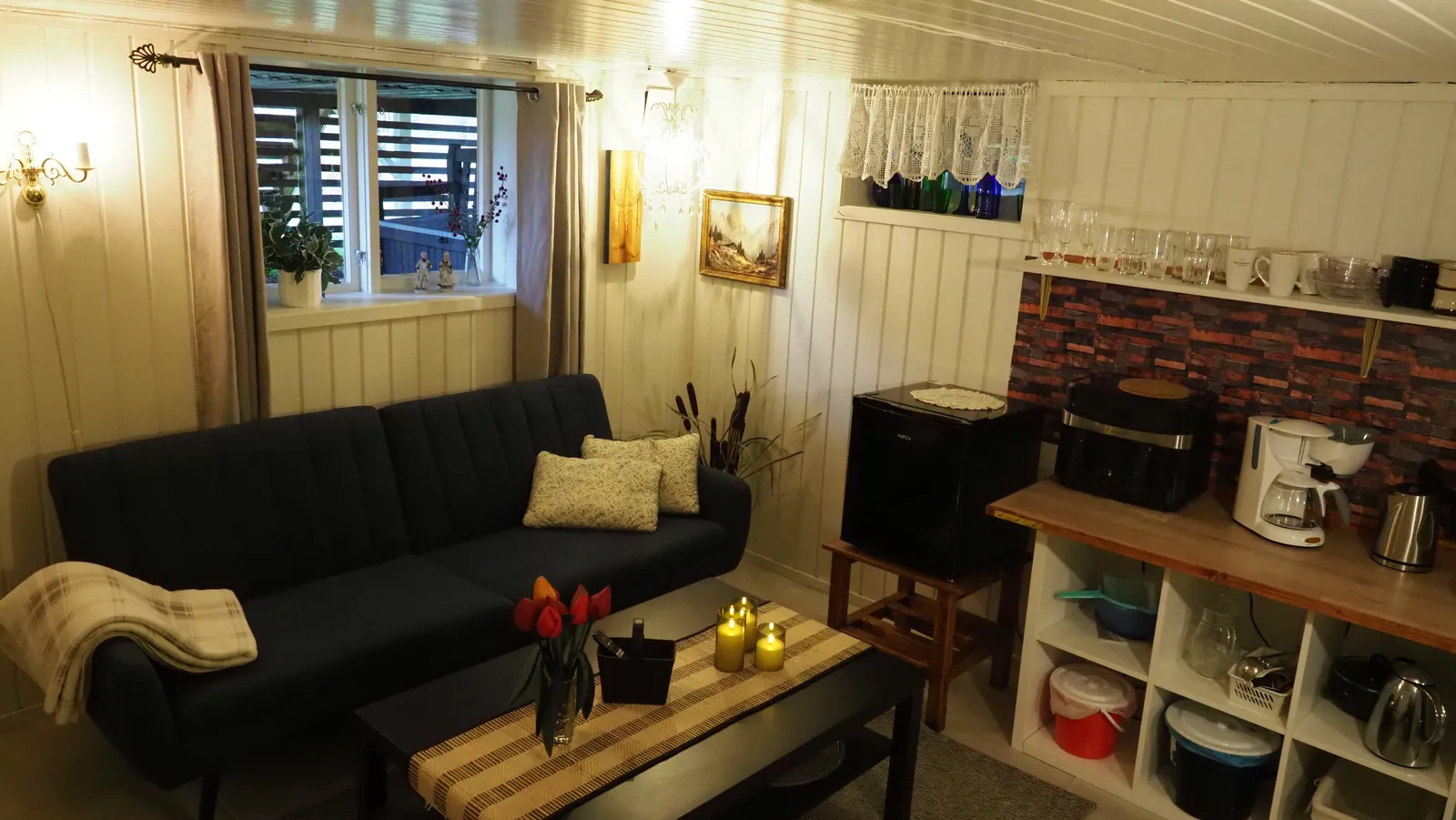
Compare the stay fit first
If the real uncertainty is still apartment, cabin, tent stay, or caravan parking, settle that before you write a message.
See stay guidePractical booking guide
Use this guide if a late arrival still leaves one practical booking question unanswered.
If late arrival will not change anything important, you can book without asking first.
Not every late arrival needs a message before booking. Many guests can already decide calmly once they know which stay type will feel easiest after a long travel day.
A direct enquiry becomes useful when timing still changes the decision: whether apartment or cabin would be easier, whether outdoor setup still feels realistic, or whether one arrival detail matters enough to affect the first evening.
That means the best enquiry is usually short and tied to the late-arrival question itself, not a broad message about the whole trip.
A useful late-arrival enquiry should narrow the decision, not reopen everything.
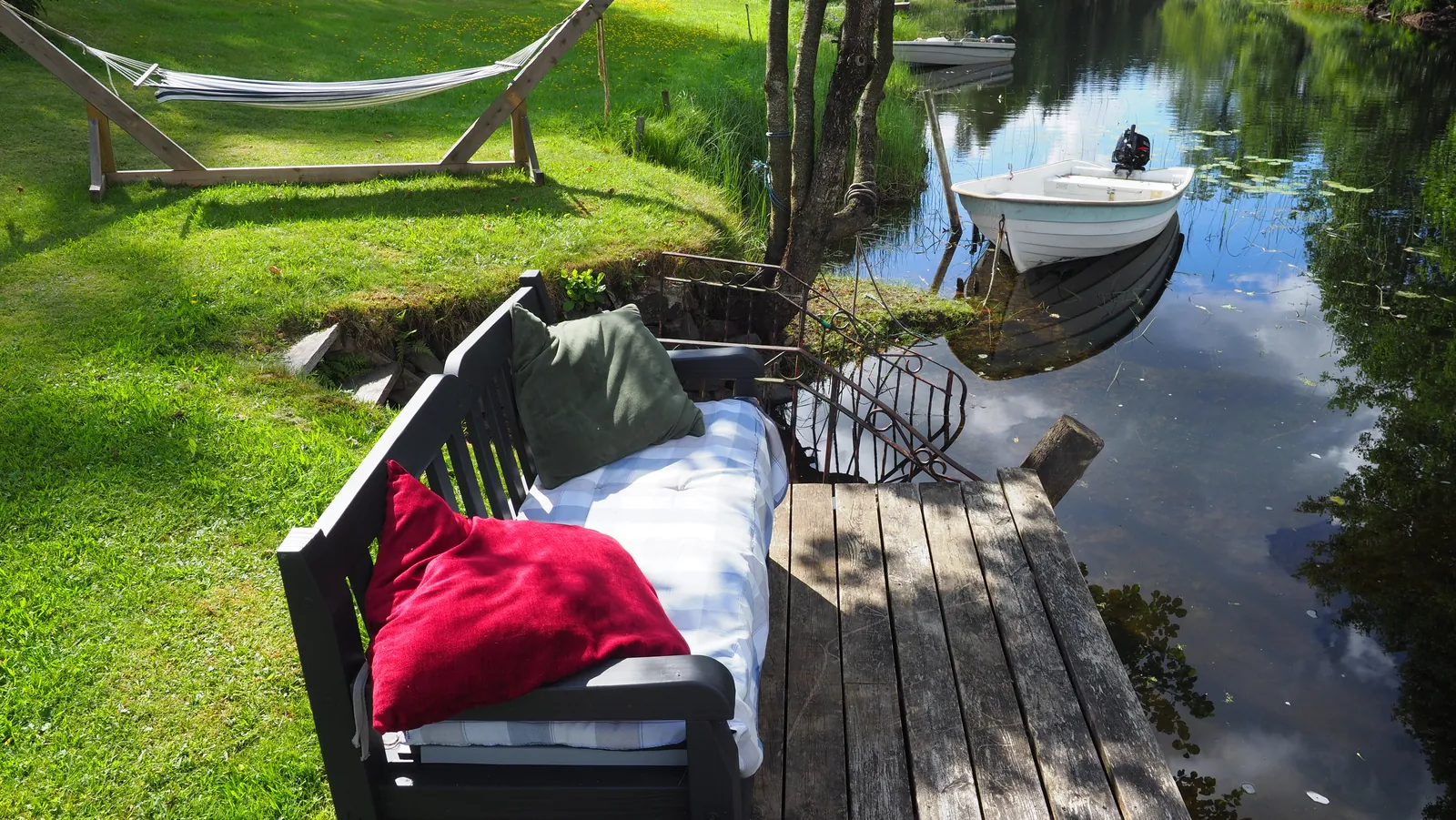
Use a late-arrival message when the answer could change the stay, not when it would simply confirm the plan.
Late arrival is worth asking about when it changes the first night in a real way. That might mean harder unloading, rougher access, more setup than you want after dark, or a stay that suddenly feels less practical once you arrive tired.
This is where the easier stays tend to pull ahead. If you know your group will notice extra steps on arrival, that can be enough to change what you book before you commit.
On the other hand, many guests arrive late and still do perfectly well without writing first. If the stay already suits you and the late arrival changes nothing important, there is no reason to build another step into the booking.
The best message is short and concrete. Ask about the one late-arrival detail that might change the answer, not for general reassurance that everything will be fine.
That is the whole test: if the reply would change the stay, send one short enquiry. If it would not, book directly and move on.
Use the page that removes the most late-arrival uncertainty first.
If the real uncertainty is still apartment, cabin, tent stay, or caravan parking, settle that before you write a message.
See stay guide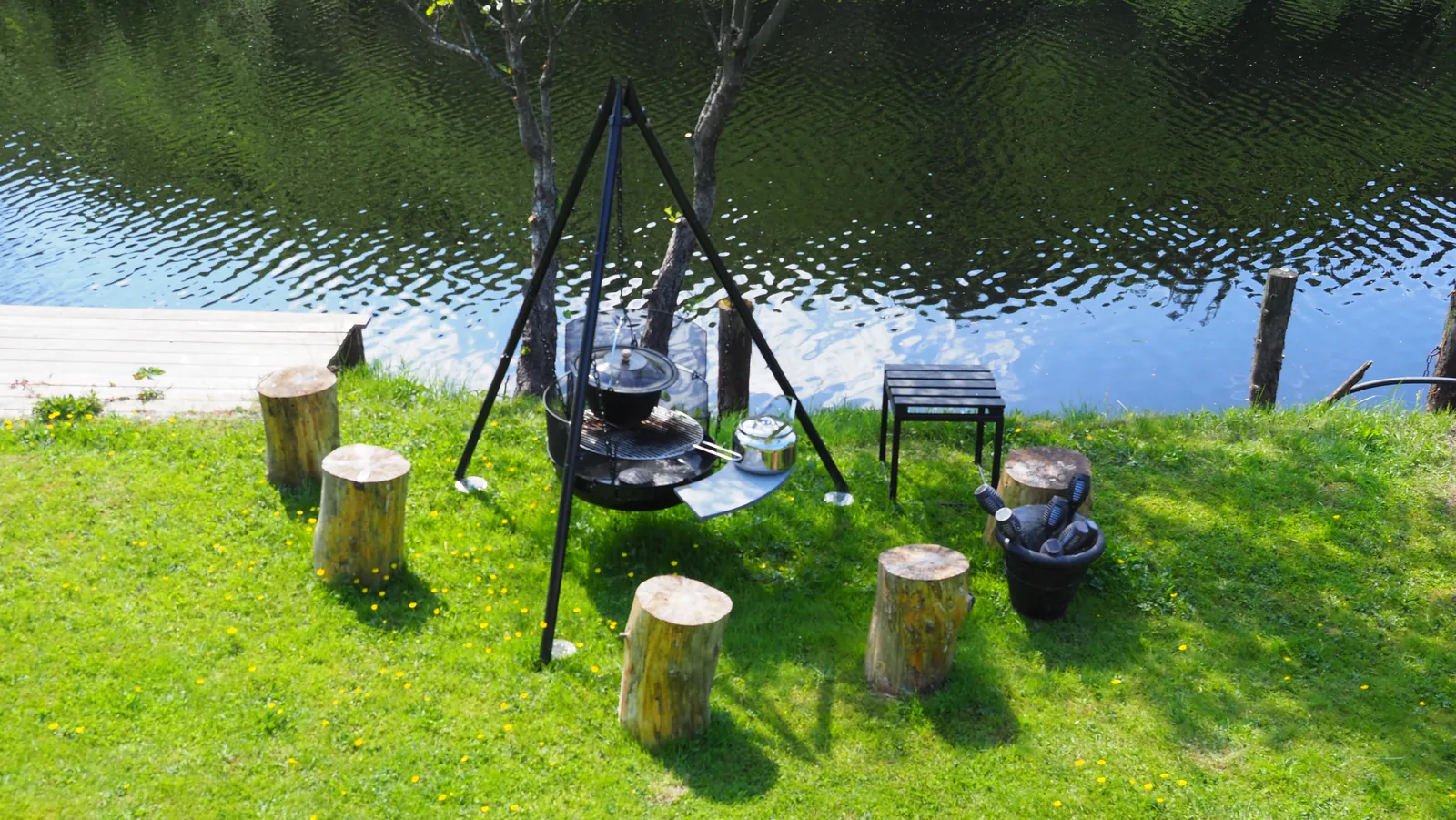
If timing mainly changes how easy the first evening will feel, the late-arrival guide usually answers more than a generic booking page can.
Read late-arrival guide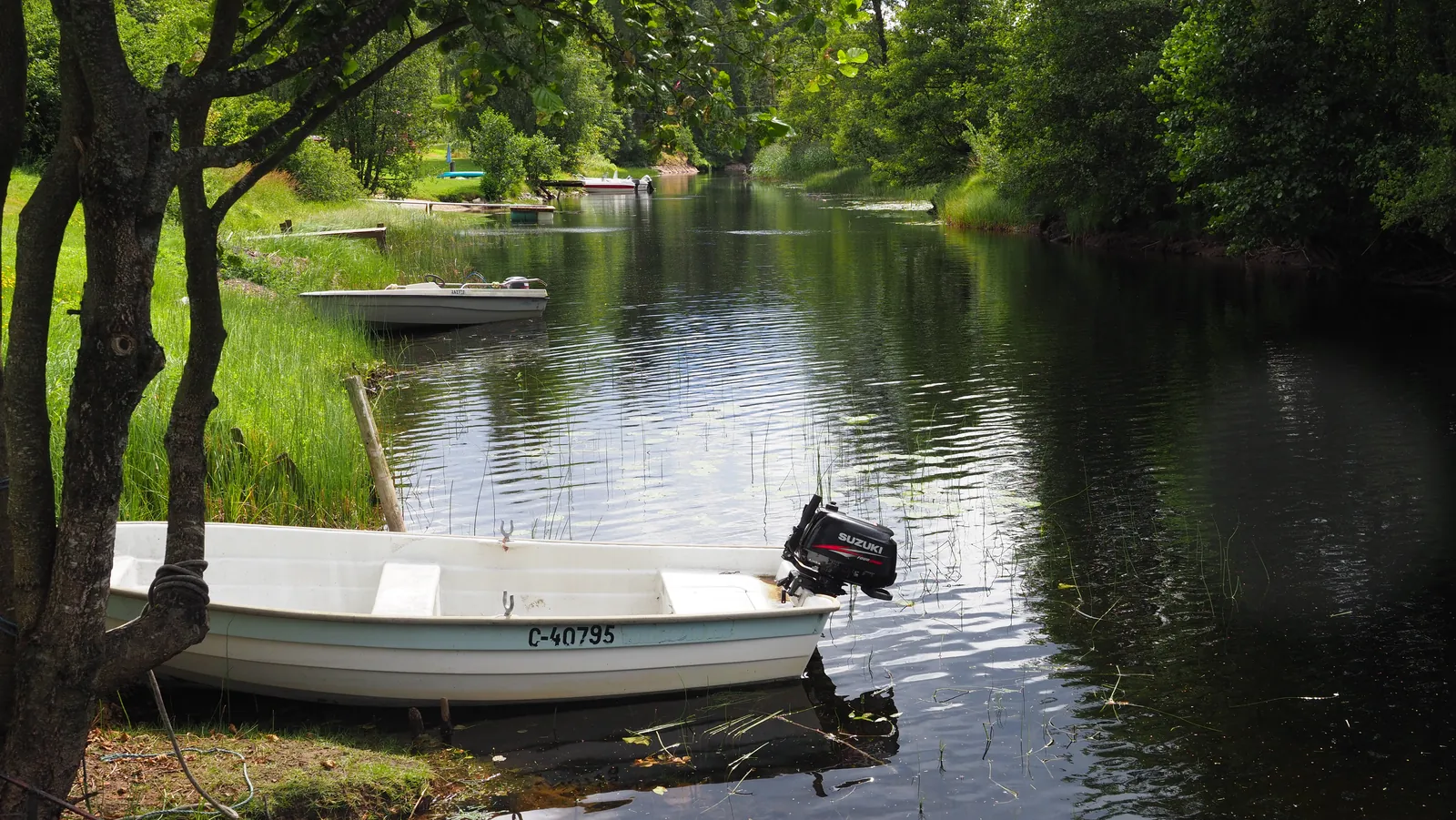
If one late-arrival detail still matters after that, ask exactly that question and keep the rest of the booking process light.
Send direct enquiryThe calmer booking path is usually the one with fewer moving parts.
If the easier stay type is already clear, you may not need any enquiry at all. The best outcome is often simply choosing the option that asks the least from you when you arrive.
If one arrival detail still changes that choice, keep the message small and specific. That usually leads to a clearer answer and less hesitation before booking.
Use the path that removes the most uncertainty first instead of reopening the whole decision.