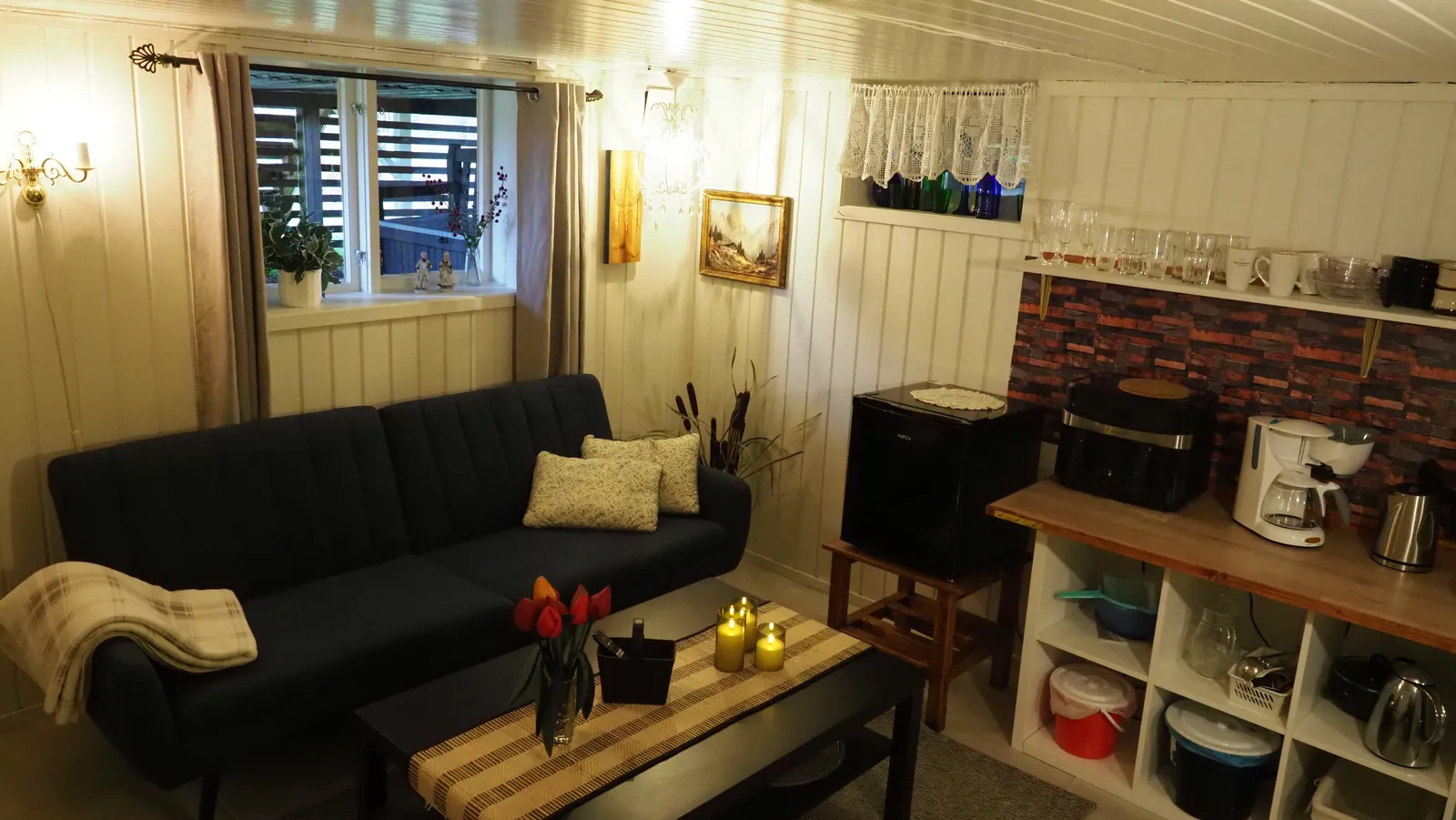
Pack lighter for the cabin
The cabin page already confirms bed linen, towels, and kitchenette basics, so the focus can stay on clothes, toiletries, and whatever you want for outdoor time.
See cabin pagePractical booking guide
If you are choosing between the cabin, furnished tent stay, or caravan parking, this guide helps you pack for the level of comfort and simplicity each option actually offers.
A practical Riverside Bliss packing guide built around the actual setup, not a generic camping list.
Riverside Bliss stay types are not all the same. The cabin includes more indoor basics, the tent stay is already prepared for you, and caravan parking works best when you arrive with your own route-ready setup.
Use this guide to avoid overpacking for the cabin, underpacking for the outdoor stay types, or assuming caravan details that the current site does not promise.
If one setup-specific question still matters after reading, send one short direct enquiry before arrival instead of guessing.
Keep the checklist tied to the actual stay type, not to a generic camping assumption.
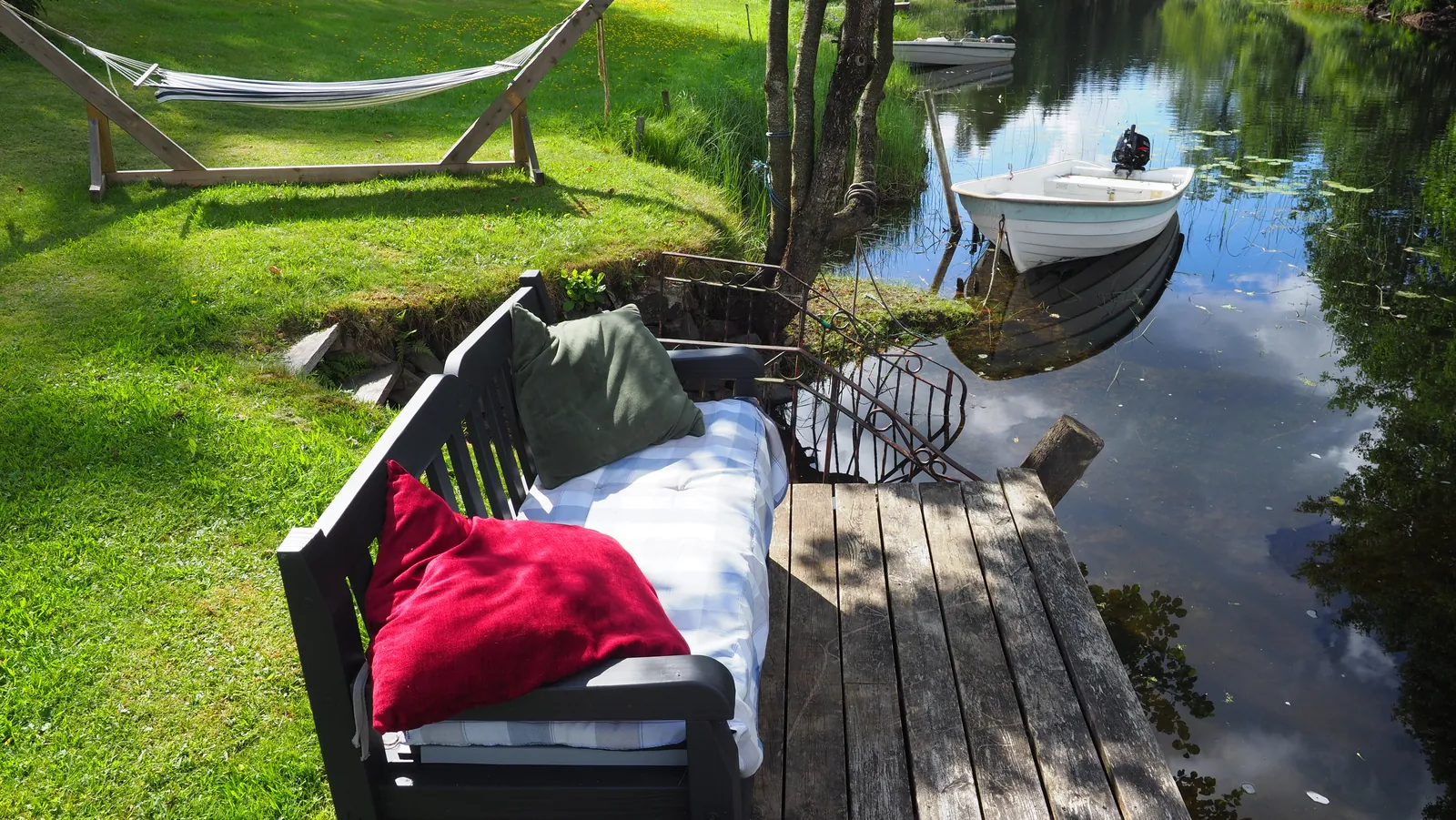
The right bag depends less on the trip mood and more on who is carrying the setup work.
The cabin is the lightest packing branch of these four because several basics are already handled. Bed linen, towels, private parking, WiFi, and kitchenette basics are part of the stay, so the bag can stay focused on clothes, toiletries, food, and whatever you want for time outside.
The prepared tent is different. You do not need to bring the main shelter, which removes a big part of the arrival job, but you are still living outdoors. That means it makes more sense to pack for evening temperature, movement between areas, and the practical feel of an outdoor night.
Bring-your-own-tent is the strictest version because the shelter system is yours. If you forget something important there, Riverside Bliss is not quietly covering the gap for you. Pack for your own sleeping setup, weather judgement, and how you normally handle camp routines.
Caravan parking belongs to the same logic. The useful question is not what a cabin guest would bring. It is what your own caravan routine depends on for cooking, sleeping, leaving in the morning, and keeping the stop simple.
That is why the best last step is often subtraction, not addition. Read the stay page, cut what is already covered, and send one direct enquiry only if one practical unknown still changes what you need to pack.
Use the stay pages to cut the checklist down to what actually matters.
The cabin page already confirms bed linen, towels, and kitchenette basics, so the focus can stay on clothes, toiletries, and whatever you want for outdoor time.
See cabin page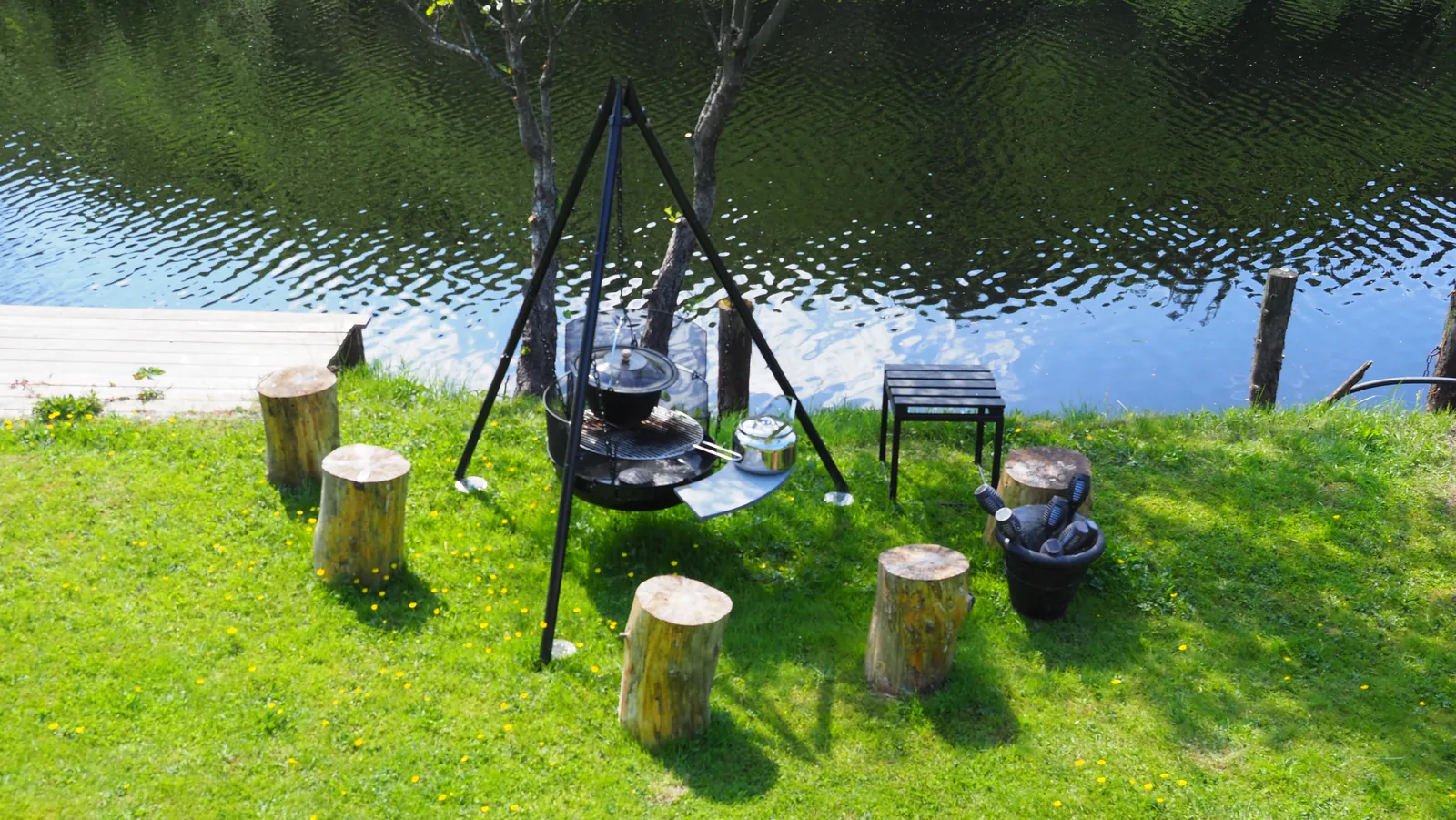
The furnished tent stay is prepared for the guest, while bring-your-own-tent depends far more on your own gear. That difference matters more than making one generic tent checklist.
See tent stay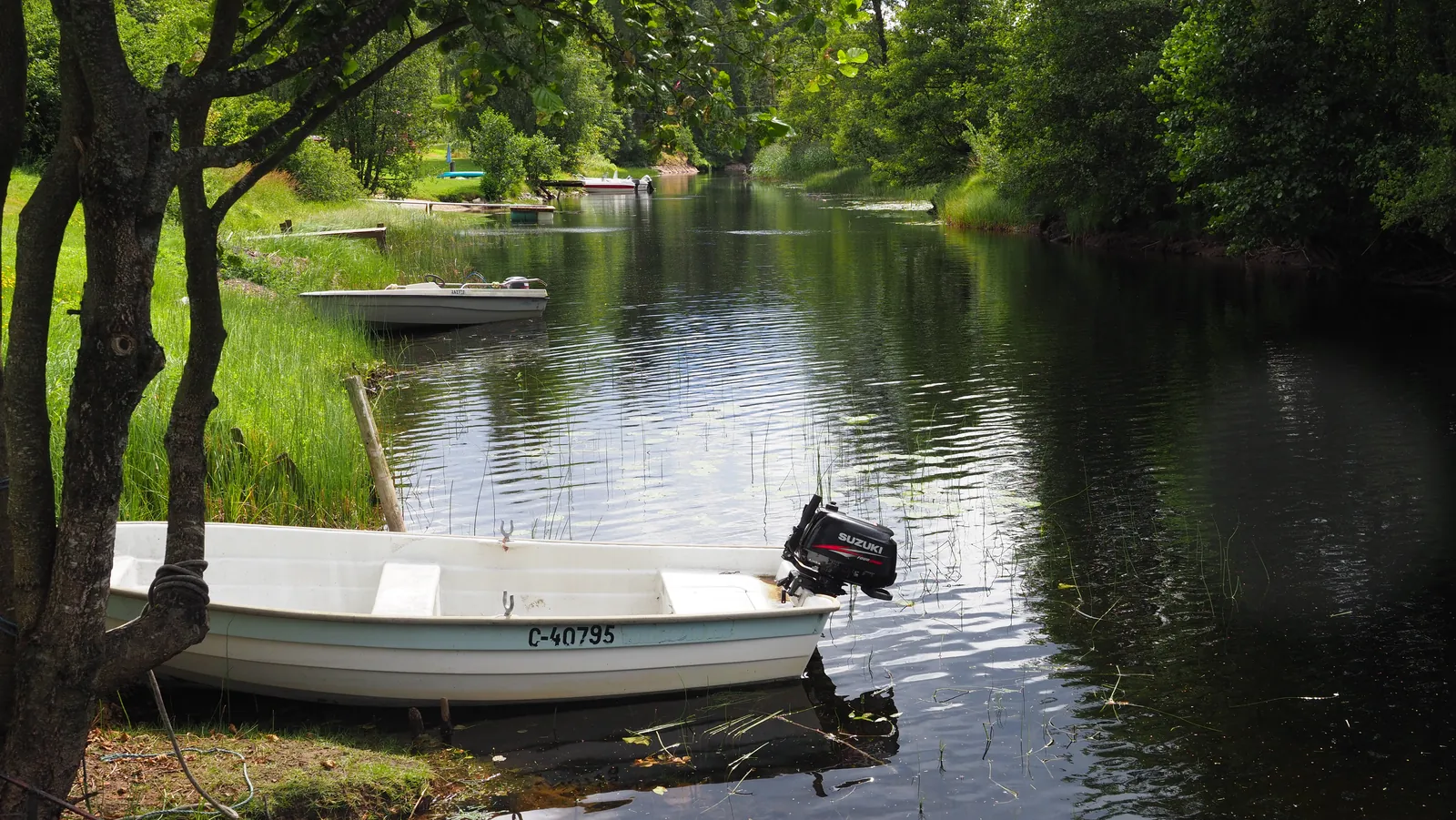
The caravan page supports a calm overnight stop, but if your packing depends on one very specific setup detail, ask directly before arrival instead of assuming.
See caravan pageThe best pre-arrival guidance usually starts with the actual stay type, not with the longest checklist.
Once the stay type is clear, packing usually gets simpler fast. The cabin needs less backup gear than the outdoor options, and the outdoor options reward a bit more practical preparation.
If the answer still depends on one practical unknown, direct contact is the honest next step. That keeps the packing list useful without pretending the site promises more than it does.
Use the path that removes the most uncertainty first instead of reopening the whole decision.