
Use the stay guide first
If the stay type is still unresolved, use the stay comparison first so the message only has to cover the one fit question that survives it.
See stay optionsPractical booking guide
Use this guide to send one short direct enquiry that actually helps before you book.
The best messages are usually the clearest and the smallest.
A useful direct enquiry should save time for both sides. The goal is not to write everything you can think of, but to include the few details that actually affect the stay choice or the booking decision.
That usually means your rough timing, who is traveling, which stay options you are weighing, and the one practical question you still need answered.
If the stay guide already answers most of the choice, keep the message short and use it to clear the final uncertainty instead of starting a vague back-and-forth.
The best enquiry usually answers the host's first practical questions before they have to ask them back.

A useful enquiry gives the host what they need to answer the booking question cleanly.
The best message is not the longest one. It is the one that makes the decision easy to answer. That usually means naming the stay, the practical issue, and the part of the booking that might change.
Dates matter when timing is the problem. Guest count matters when space, bathroom comfort, or parking could change the answer. The stay type matters when you are already down to one likely option and need to test it.
The message gets weaker when it tries to solve several problems at once. If you ask about late arrival, parking, pricing, and which stay fits best in the same note, the real point disappears.
A short message also makes it easier for Riverside Bliss to give you a direct answer. That is the whole reason to use a direct enquiry in the first place.
So strip it back to one real question. If the answer changes the booking, send it. If it does not, book directly or go back to the guides until the question becomes clearer.
A better enquiry usually starts with one better page, not with more filler.
If the stay type is still unresolved, use the stay comparison first so the message only has to cover the one fit question that survives it.
See stay options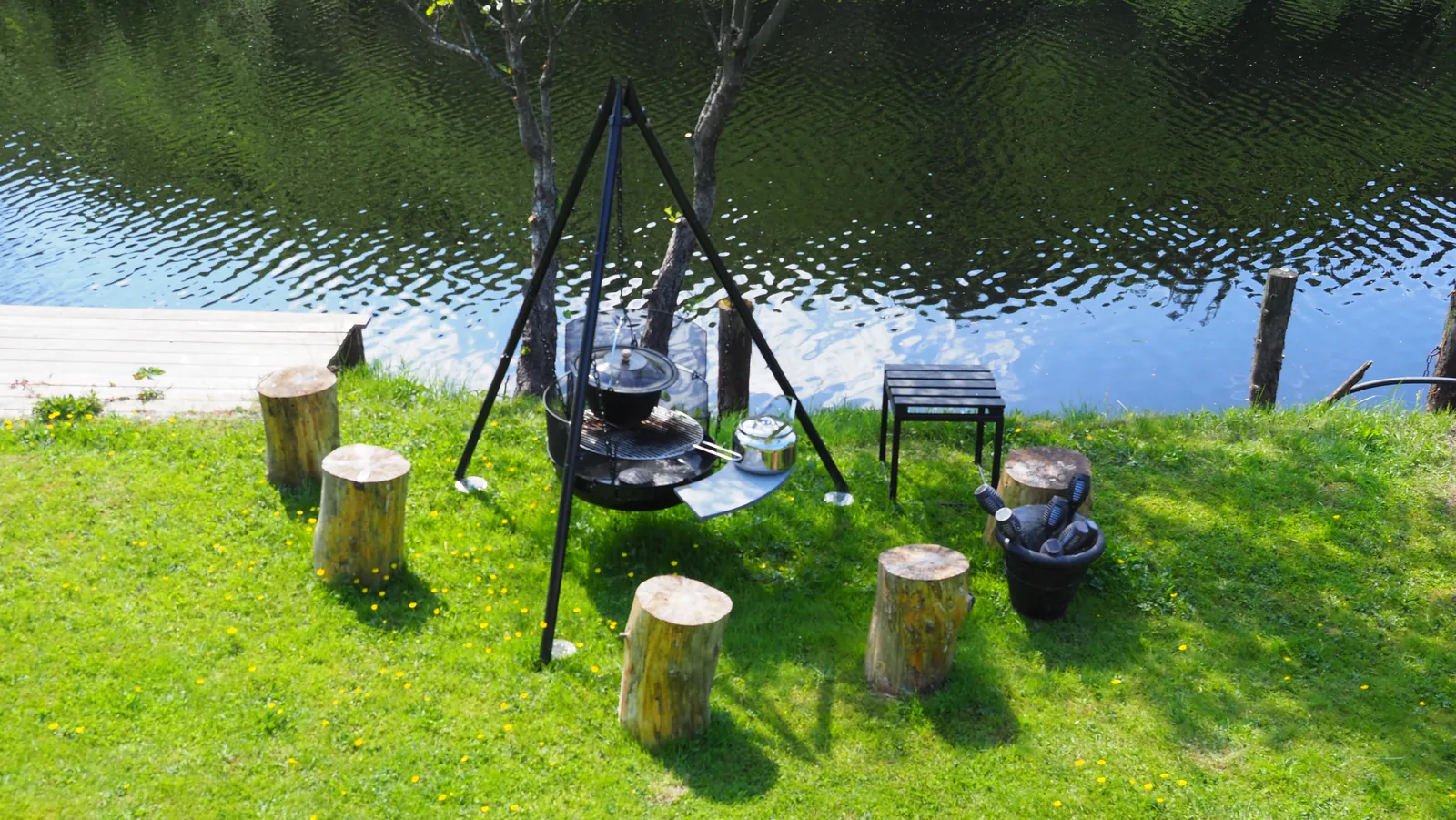
If the stay type is already clear, use this page to decide whether one short message is still useful or whether you can simply move forward.
Read enquiry-fit guide
Once the real uncertainty is clear, keep the enquiry short, specific, and tied to the part of the stay that still matters.
Send direct enquiryThe best enquiry makes the next step easier, not heavier.
If the stay choice is already clear, the direct enquiry should only cover the one practical detail that still matters. That keeps the answer useful and reduces avoidable follow-up messages.
If the stay choice is not clear yet, start with the stay guides first. The strongest direct enquiry usually comes after most of the fit question has already been narrowed down.
Use the path that removes the most uncertainty first instead of reopening the whole decision.