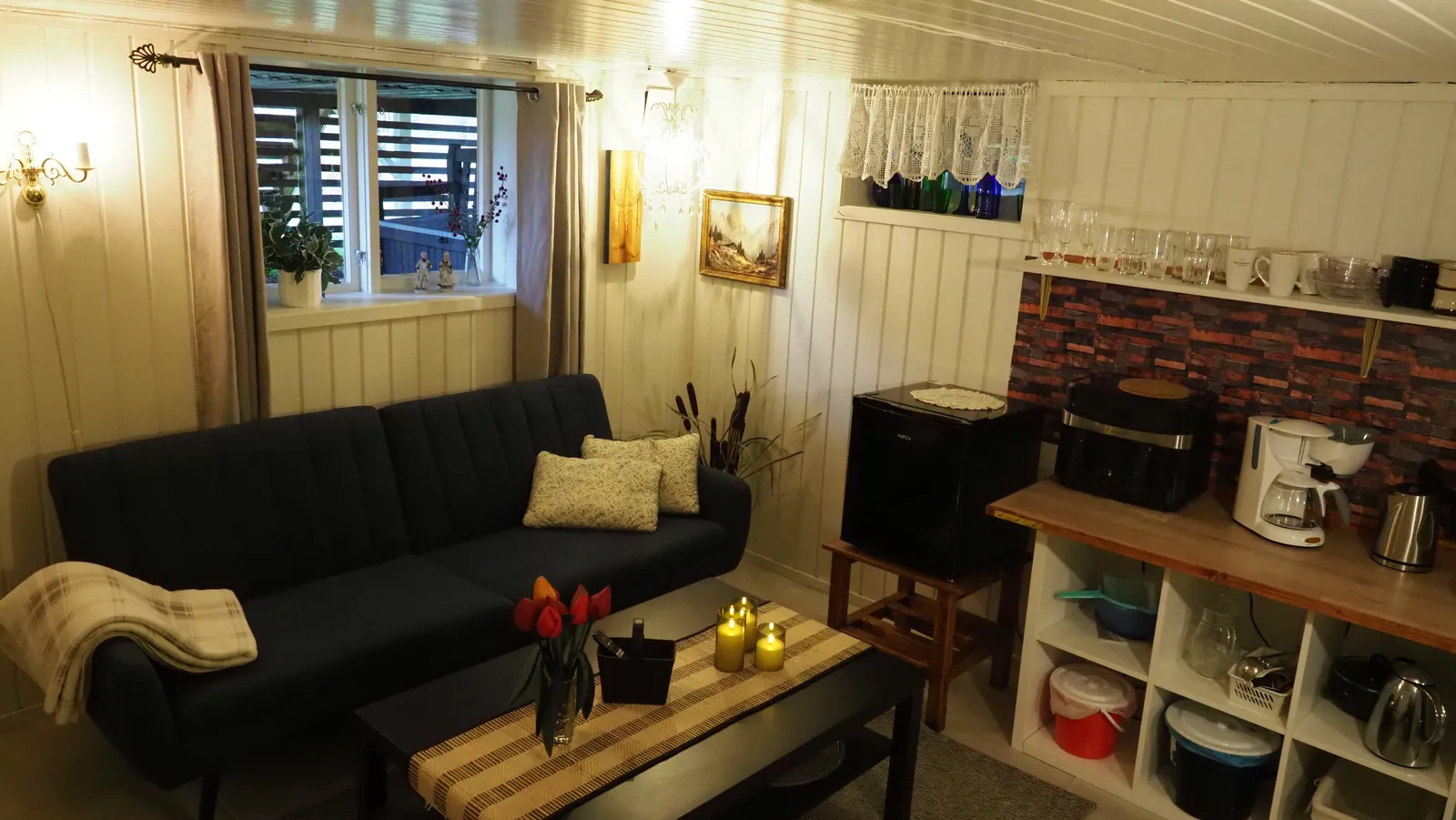
You already know the stay type
If you already know whether you want apartment, cabin, tent stay, or caravan parking, the stay guide may already have answered the main choice.
See stay guidePractical booking guide
Read this only if one live question could still change whether you book, what you book, or how you book it.
If the answer would not change anything important, book directly.
A direct enquiry is most useful when one practical question still changes the booking decision.
If you already know the stay type, timing, and booking route, you probably do not need extra back-and-forth.
If no real blocker remains, the cleaner move is usually to book. If one blocker is still alive, a short enquiry can earn its place.
Ask first when clarity will change the choice, not just because asking feels safer.

Use a direct enquiry to remove one blocker, not to start a vague conversation.
A good message changes something. It helps you pick a different stay, choose a different date, or decide not to book until one practical issue is clear.
Late arrival is the easiest example. If getting in after dark changes unloading, parking, or how much setup you can handle on the first night, ask before you commit.
The same goes for access, indoor space, kitchen use, or bathroom setup. If one of those details makes one option workable and another awkward, that is worth a direct enquiry.
What is not worth it? Writing because you feel you should, or because you want someone to say everything sounds fine. If the reply would only reassure you, it will not help the booking.
So make the question small and practical. If the answer would change the stay, ask. If it would not, book directly and move on.
If the essentials are already clear, booking can usually stay simple.
If you already know whether you want apartment, cabin, tent stay, or caravan parking, the stay guide may already have answered the main choice.
See stay guide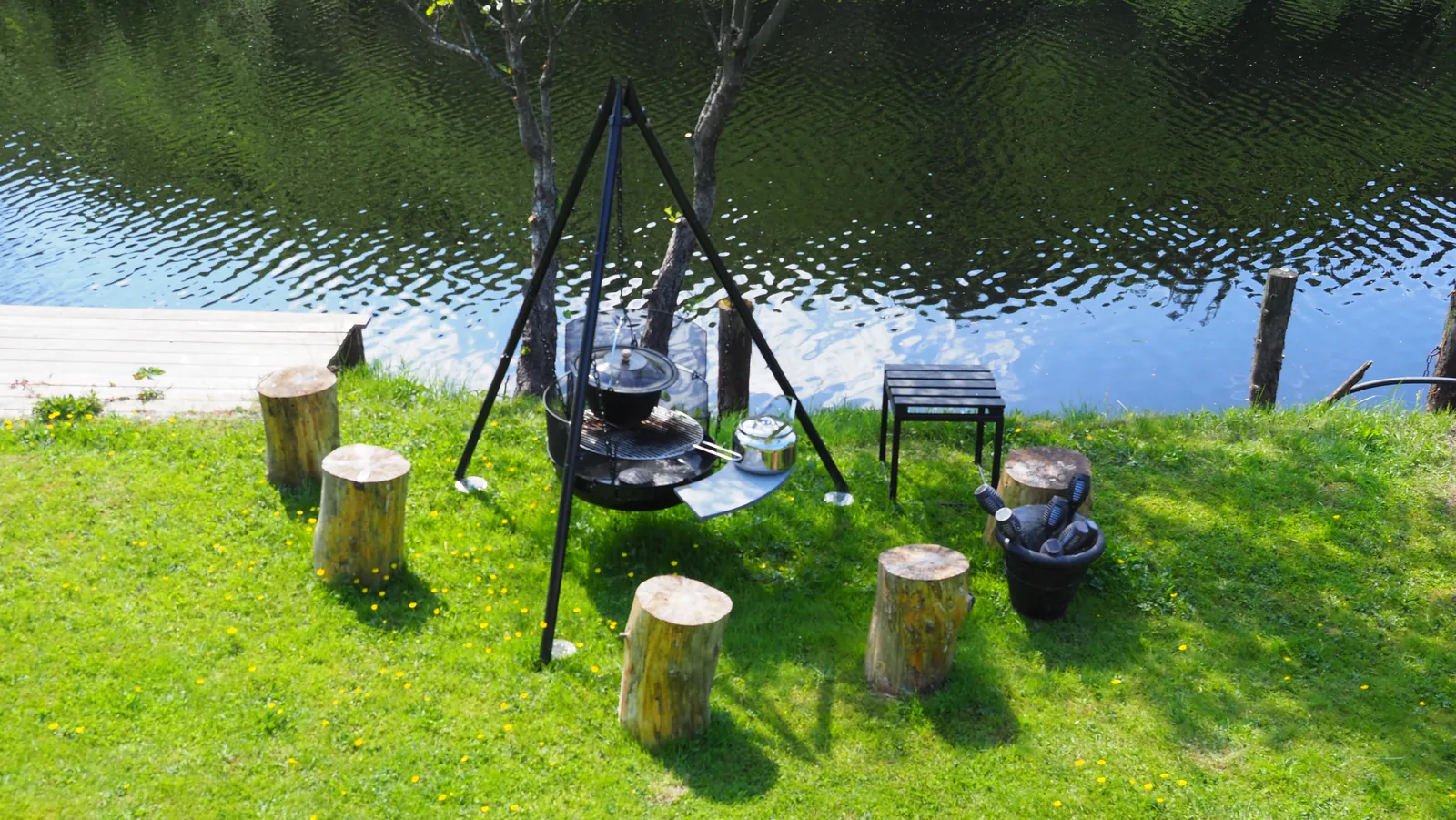
If one practical detail is still alive, make that question smaller and more specific instead of reopening the whole booking decision.
Read the enquiry guide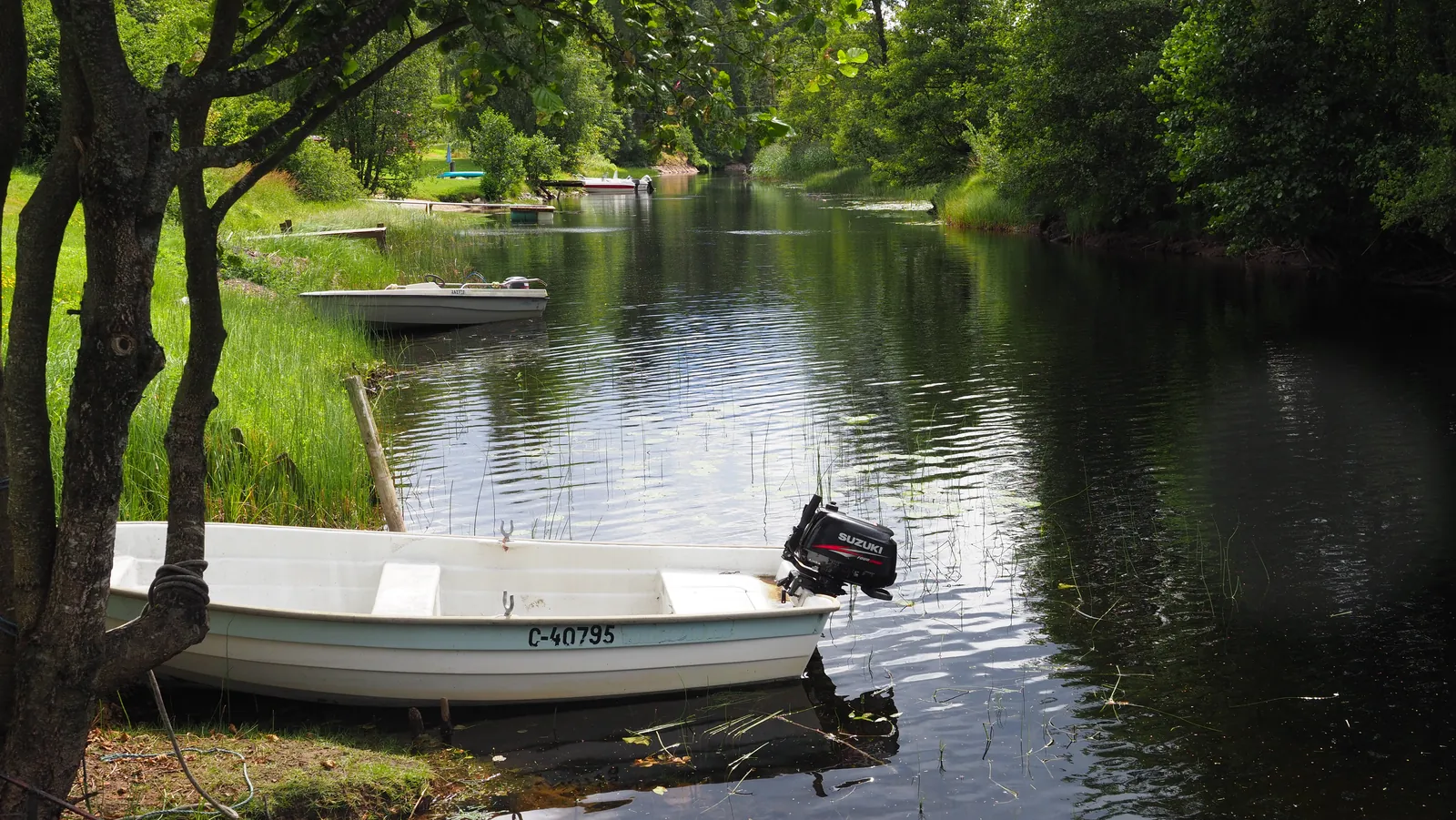
If one practical detail would change whether you book, a short direct enquiry is still the better route.
Send direct enquiryThe point is to remove the one uncertainty that actually matters.
Send a direct enquiry if the answer will change your choice of stay, route, or timing.
If the answer would not change anything important, the simpler path is usually to book once you feel clear enough.
Use the path that removes the most uncertainty first instead of reopening the whole decision.